
Commercial Flat Roof Leak Detection
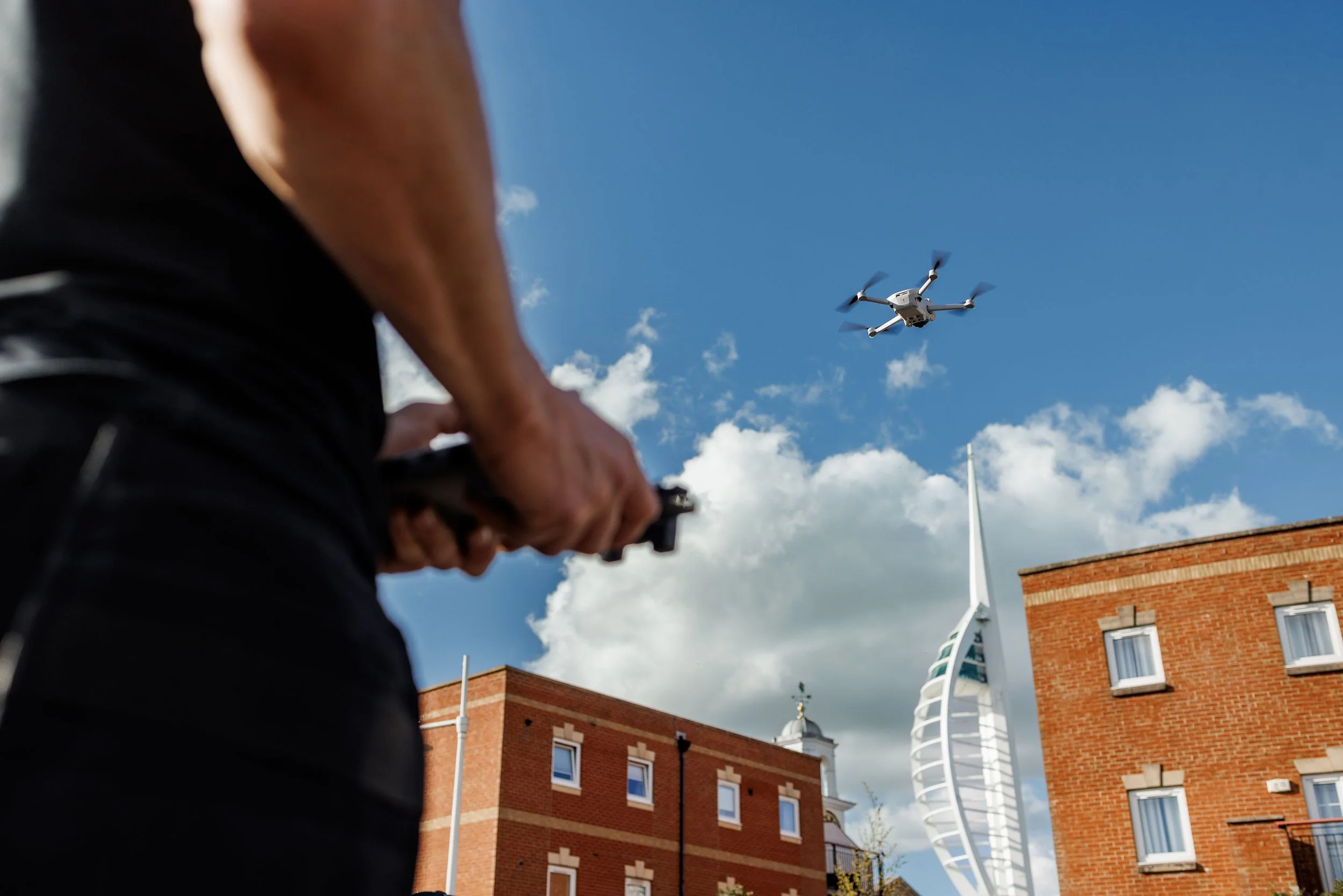
We specialise in locating complex roof leaks on commercial properties. We have the latest technology in identifying flat roof leaks. From electronic leak detection to thermal imaging drones.
The Problem
Roof leaks are difficult to diagnose.
Roof leaks are rarely caused by a single obvious defect. Water can travel significant distances within a building before becoming visible internally, making the true source difficult to identify.
Water tracking away from the point of entry
Multiple defects contributing to one issue
Visual inspections missing concealed failures
Repeated repairs increasing cost and disruption
Our Solution
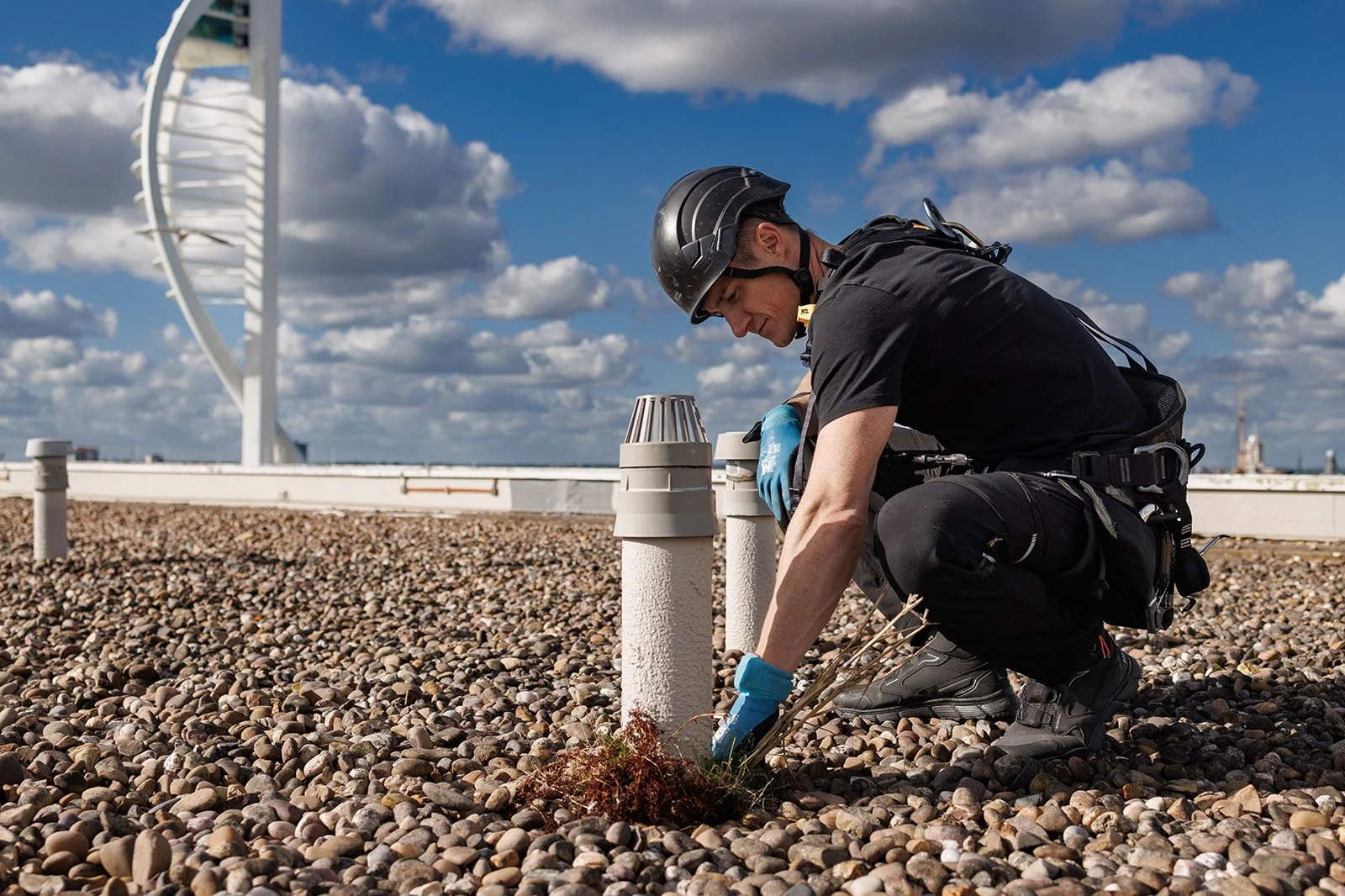
Advanced diagnostics and real-world expertise to find the leaks others can't
Our investigations are tailored to your building and the nature of the issue, allowing us to diagnose complex, multi-factor leaks without unnecessary strip-outs. We employ the latest technology in identifying flat roof leaks.
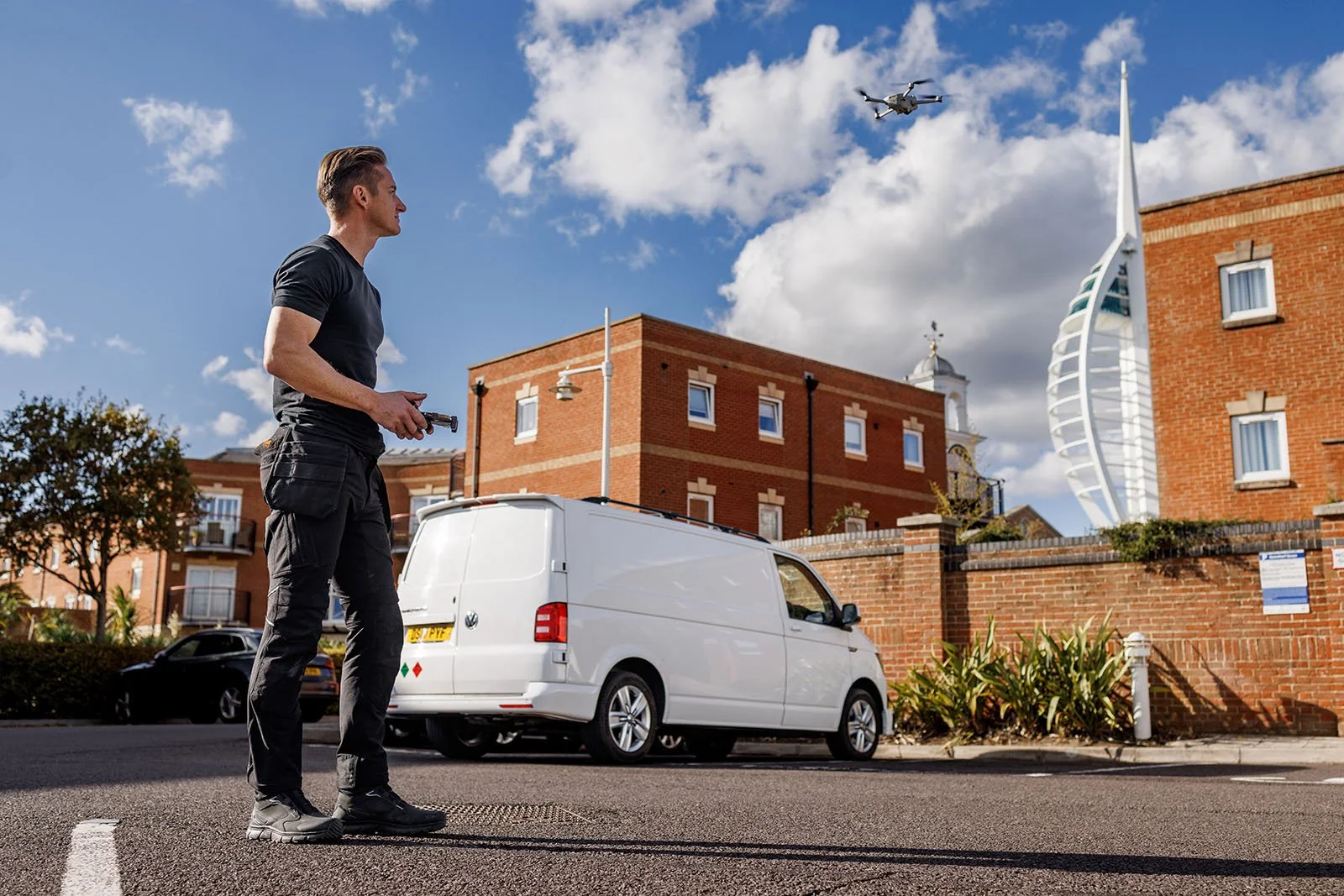

Drone Thermal Imaging
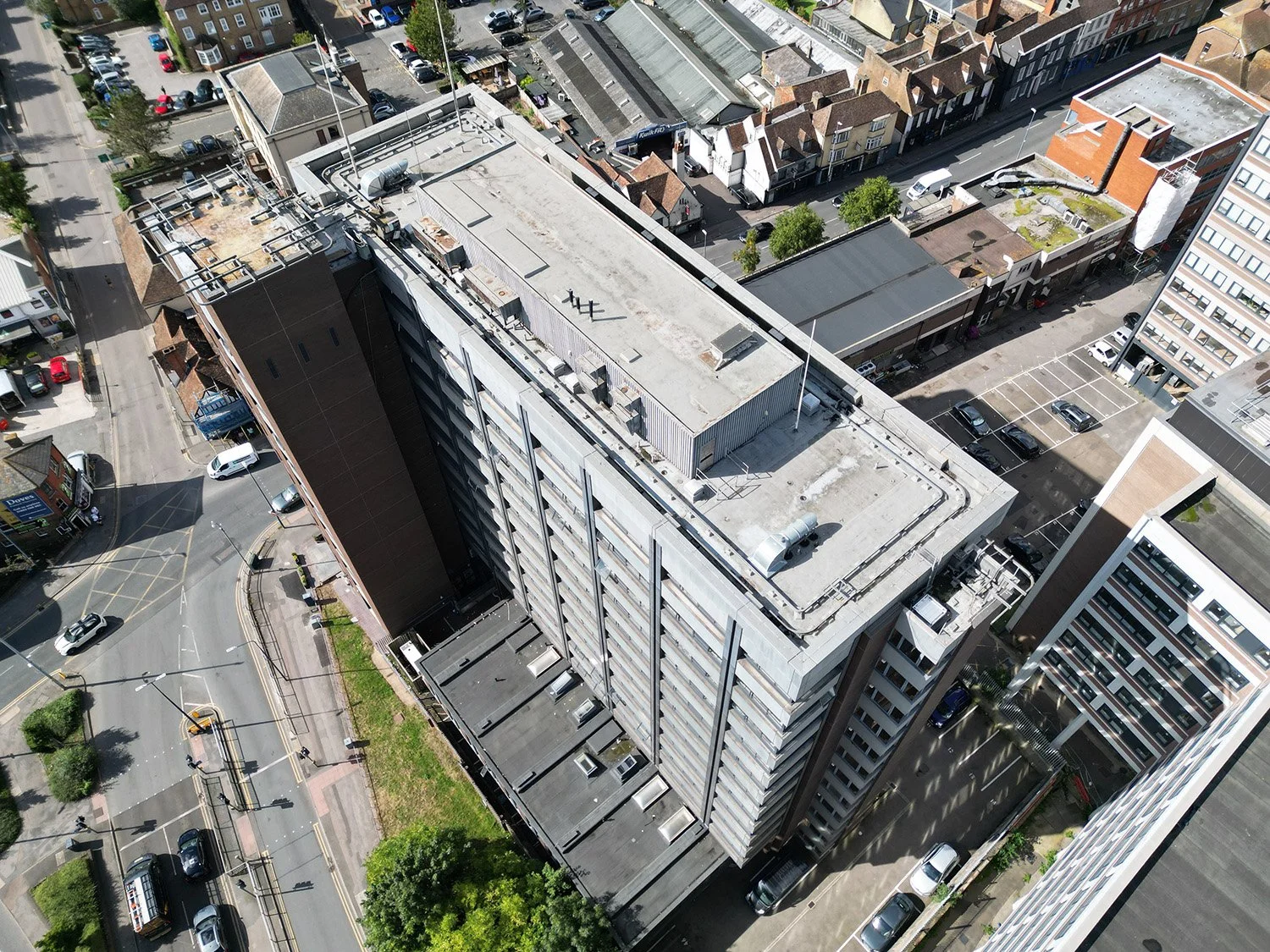
This allows us to see beneath the surface of the roof. When the sun goes down, building materials cool faster than the water trapped within the roof, providing us with a precise location of a leak.
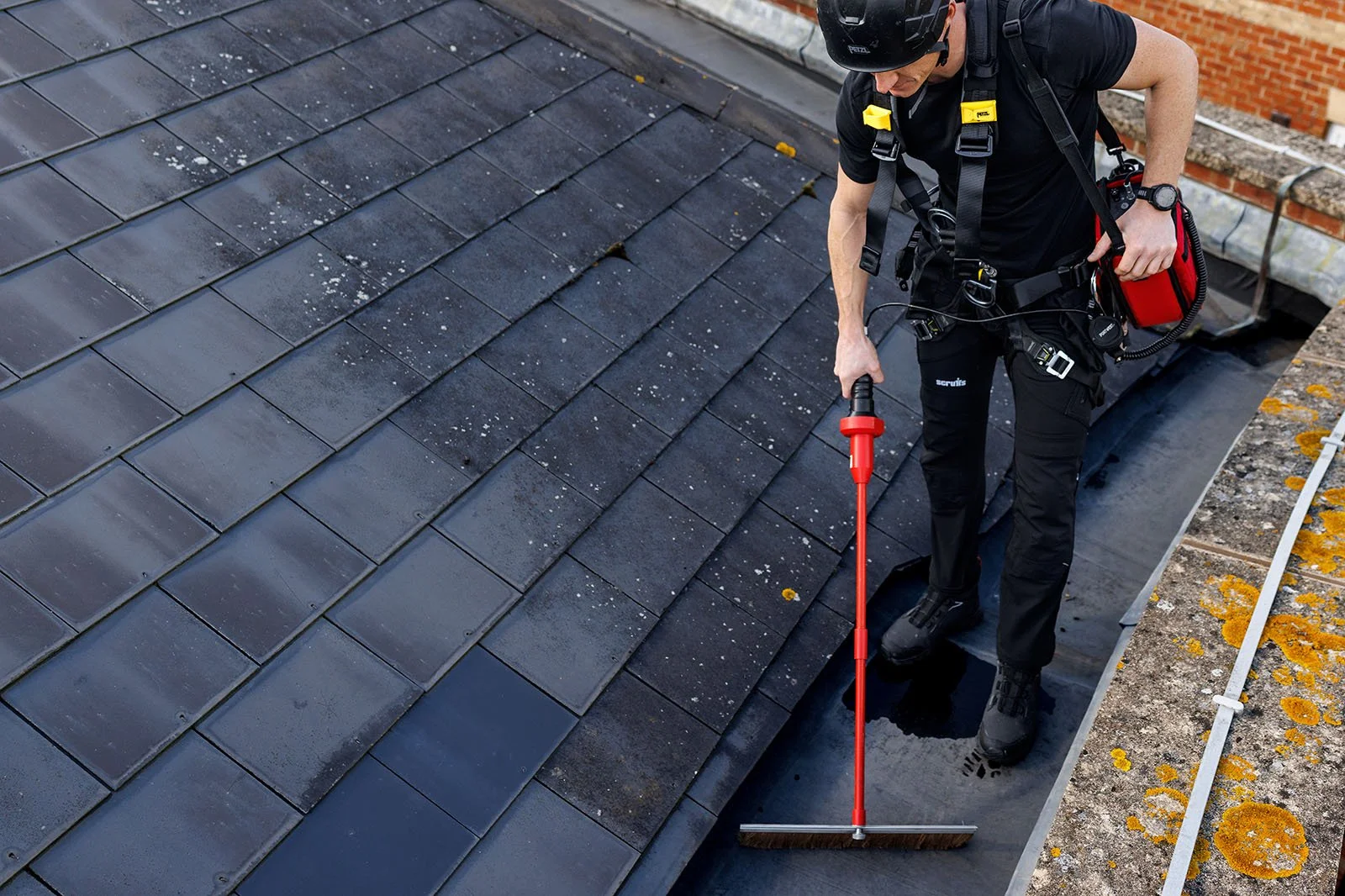
Electronic Testing
ELD testing is a highly accurate, non-destructive method used to locate microscopic breaches, pinholes, and seam failures in roofing membranes by creating an electrical circuit through the roofing materials.
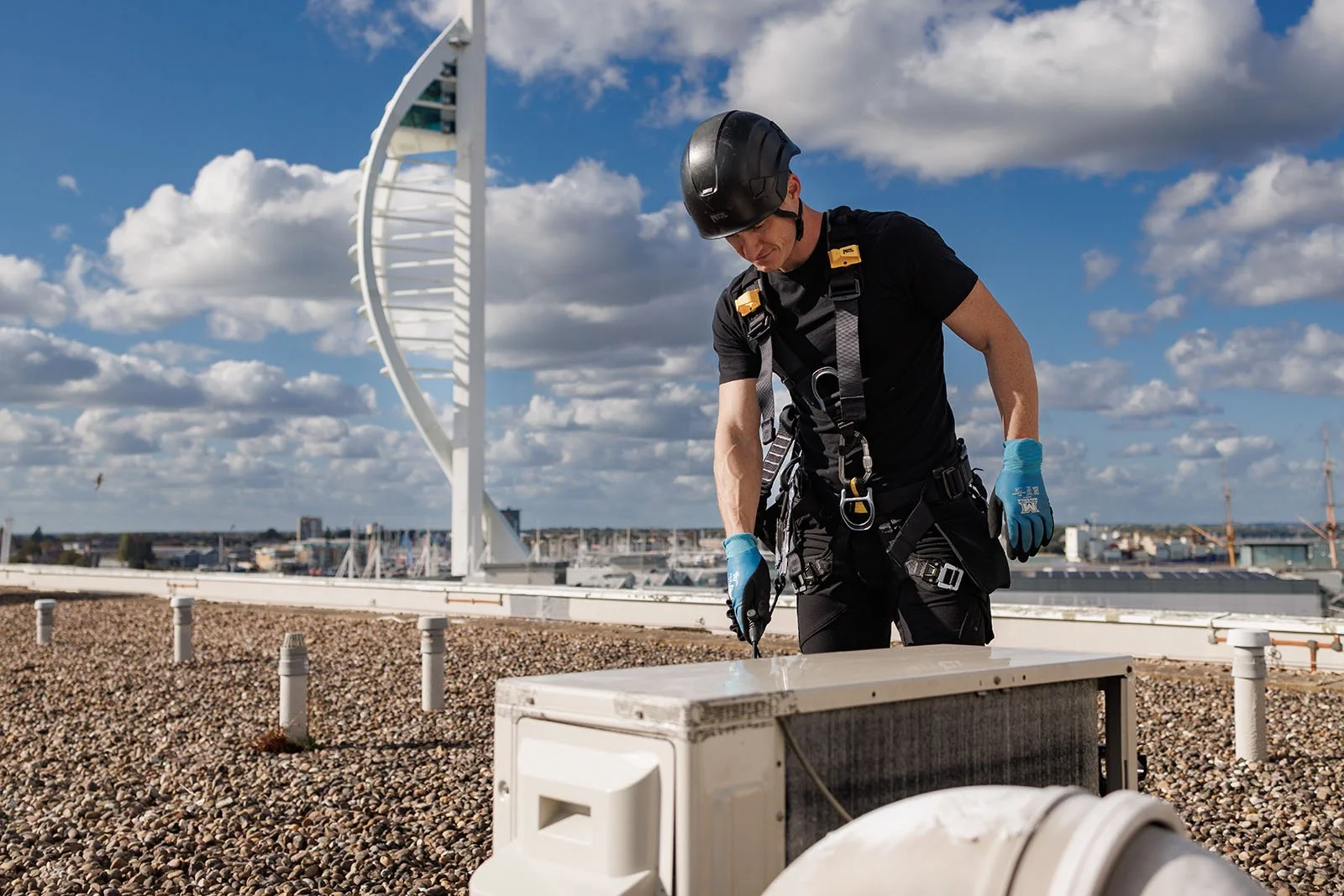
Advanced Moisture Meters
Our non-destructive moisture meters allow us to detect moisture content within a roof down to a depth of 150mm. We use the data to track water within the building envelope.
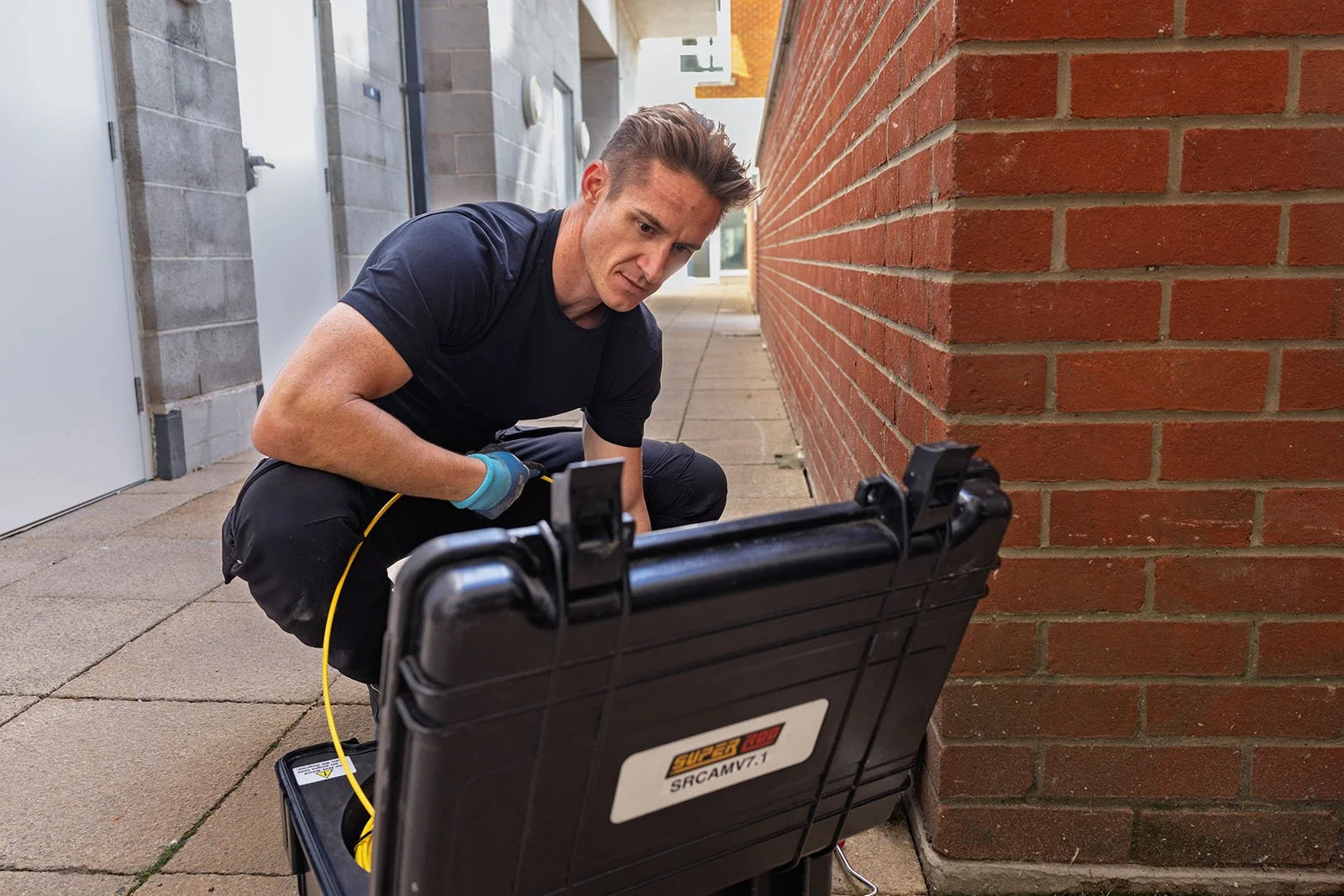
Inspection Cameras
Our inspection cameras build visual data and allow the tracking of leaks within ceiling voids, roof build-ups, as well as blockages within rainwater downpipes.
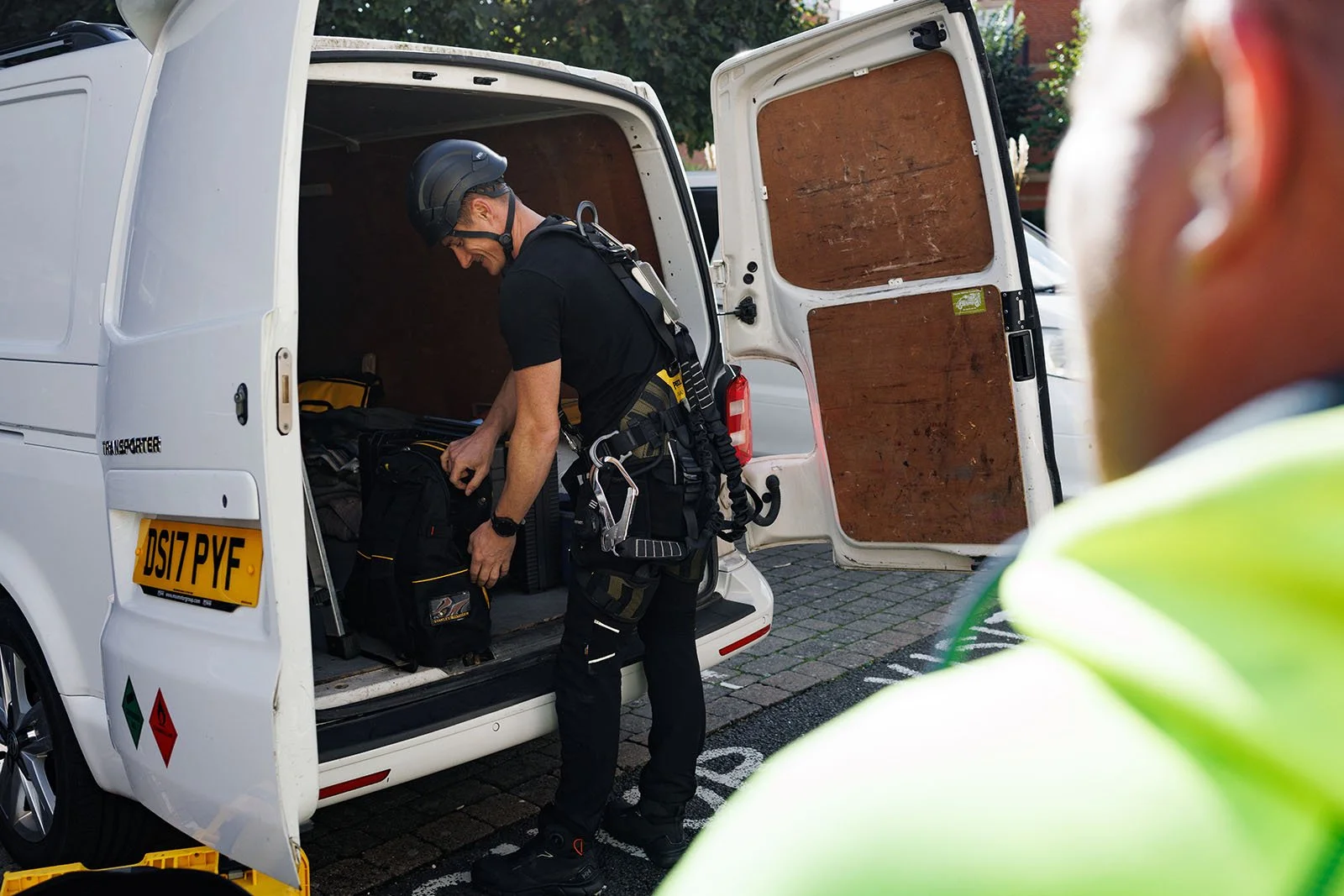
Speak to a leak detection specialist today
If you’re dealing with a persistent, unexplained or high-impact leak, we can help identify the cause quickly and accurately.
-
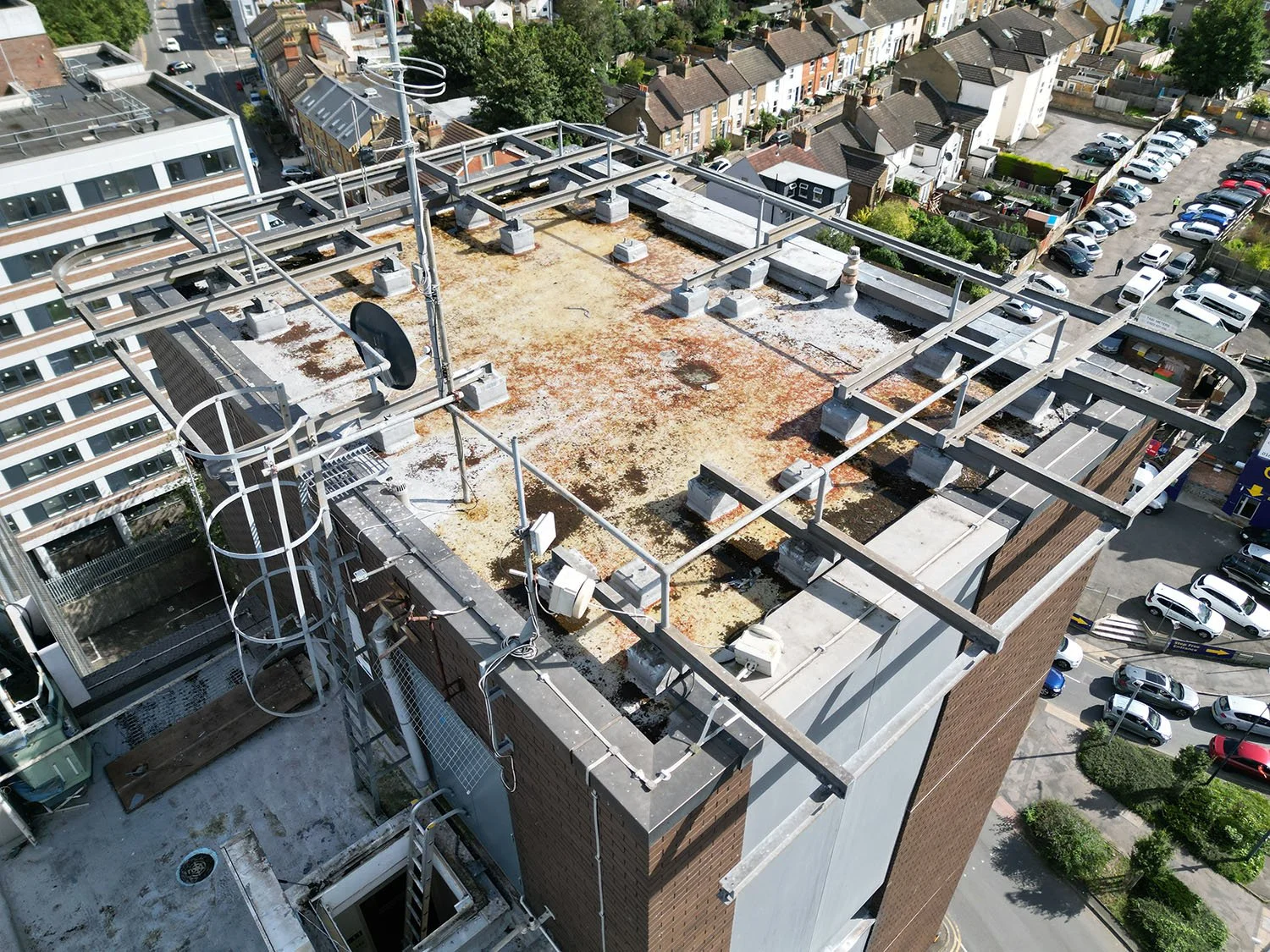
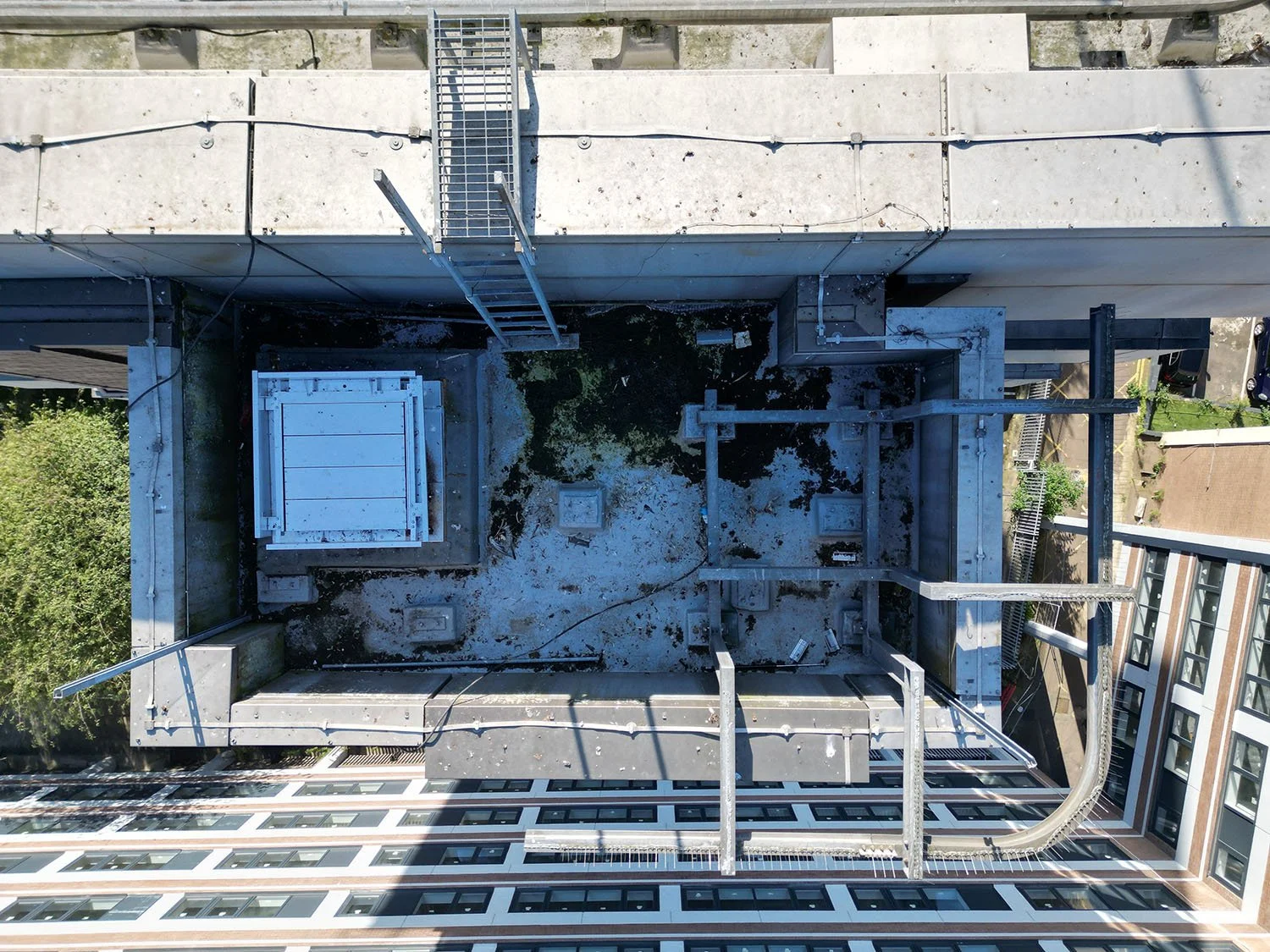
A catastrophic roof leak affecting occupied apartments, with multiple possible contributing factors including roof condition, penetrations and pigeon activity.
-
Immediate temporary water diversion to reduce internal damage, followed by a thermal drone survey and electronic testing to trace moisture pathways and confirm points of failure. Detailed photographic and written reporting was provided.
-
An emergency liquid repair was installed, keeping tenants dry and allowing permanent repair options to be planned with confidence.
Case Study
Miller Heights
Leak detection and emergency repairs
TESTIMONIAL
What the client had to say…
“After unsuccessful attempts by others to identify the cause of a serious water ingress issue on a property I manage, I was put in touch with Sam at Flat Roof Management.
Sam took the time to thoroughly investigate the problem, even accessing challenging and unpleasant areas of the building that others had avoided. Sam discovered the source of the issue and implemented a temporary fix that worked immediately.
While on site, Sam also identified and resolved another significant roofing problem that hadn’t been noticed before, and provided us with a clear report on other defects that require attention.
His approach was practical, meticulous, and honest throughout. I really appreciated his reliability, keen attention to detail, and how effective he was in getting the job done. I wouldn’t hesitate to call Roof Inspection again in the future.”
Tilly Williams, Centrick Property Management
Leak Detection
Frequently Asked Questions
-
Not necessarily. A leak on its own doesn’t mean the whole roof has failed. An investigation shows whether the problem is a localised defect that can be repaired or a failing system that needs replacing.
-
A free quote is usually based on a visual check, so it’s a guess at the cause. If the guess is wrong, the work is wasted and the leak returns. A paid investigation intends to find the actual source, so any work you commission is aimed at the right problem. You also receive a written report you can keep, share with insurers or landlords, and refer back to.
-
In most cases, yes. We start with non-invasive methods. Where an intrusive survey is needed, we carry out the opening-up work and can complete the repairs on site.
-
We use thermal imaging, electronic leak detection, tracer gas, advanced moisture meters, borescope inspections and drone surveys. Each method shows something different, and we combine them to find the source rather than relying on a visual check.
-
Yes. A drone can be one method within a wider leak investigation. It can also be commissioned as a standalone drone report, where we analyse the images for maintenance or insurance reporting.
-
How long does an investigation take?
It depends on the size of the roof and how many sources there are. Smaller or less complex problems typically take 3 to 6 hours. More complex jobs take 6 to 12 hours. We can advise on our arrival. -
A written report with survey details, the observations recorded during testing, our findings, and the indicated next steps. Images are included with each observation. Turnaround is typically 5 to 7 working days.
SAFETY
Fully qualified, fully insured, fully accredited
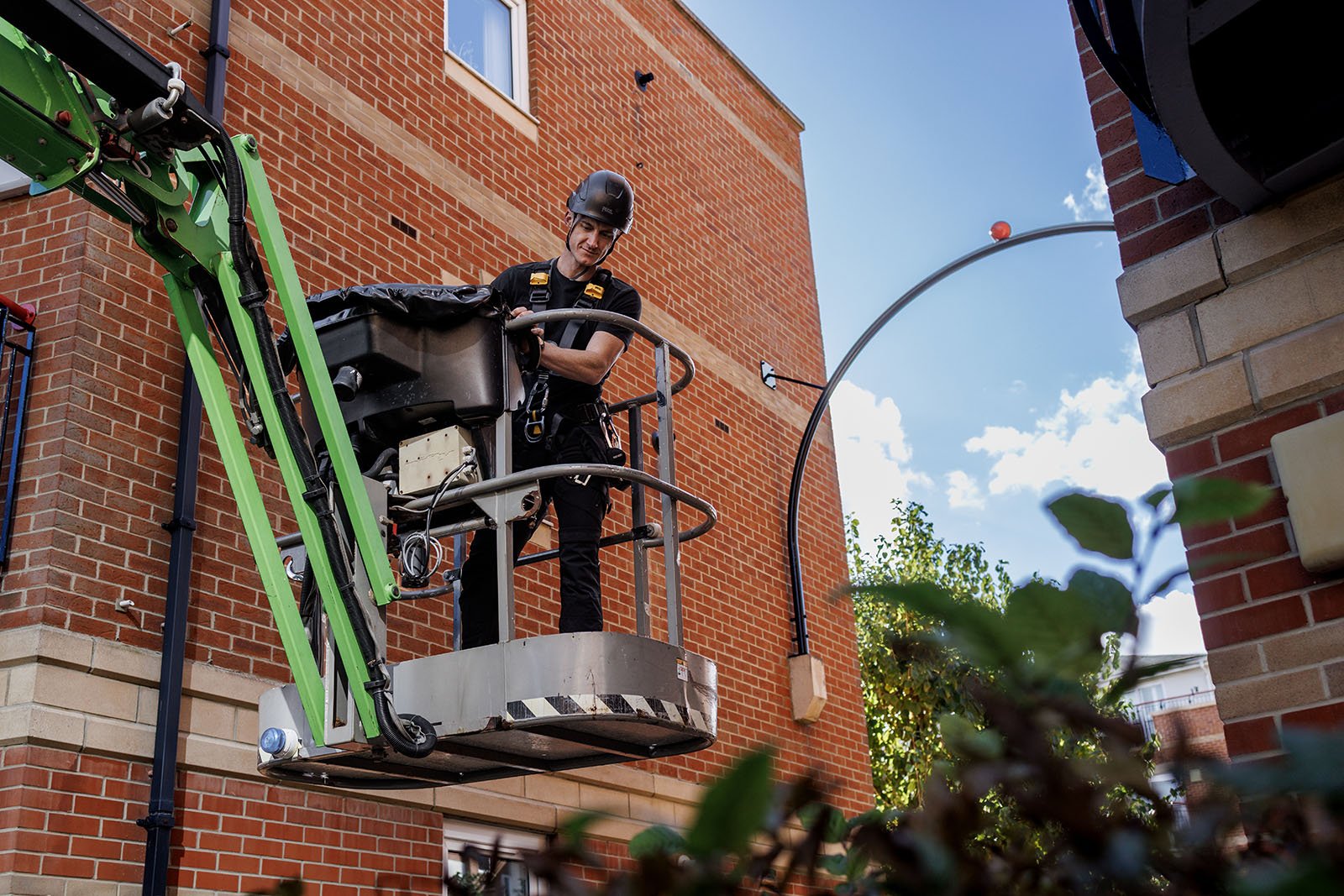
We don't take shortcuts with safety at height. Our team is IPAF, IOSH and advanced work-at-height certified. We are CAA-certified for conducting drone roof surveys. We carry specialist insurance with extended work-at-height cover. We're also NFRC accredited and members of the CIOB and FPV UK.




Speak to a leak detection specialist
If you’re dealing with a persistent, unexplained or high-impact leak, we can help identify the cause quickly and accurately.